
USA Securities Law is one of the most important areas of financial regulation in the United States. It governs the issuance, trading, and regulation of securities such as stocks, bonds, and investment contracts. The primary goal is to protect investors, ensure fair and transparent markets, and prevent fraud in financial systems.
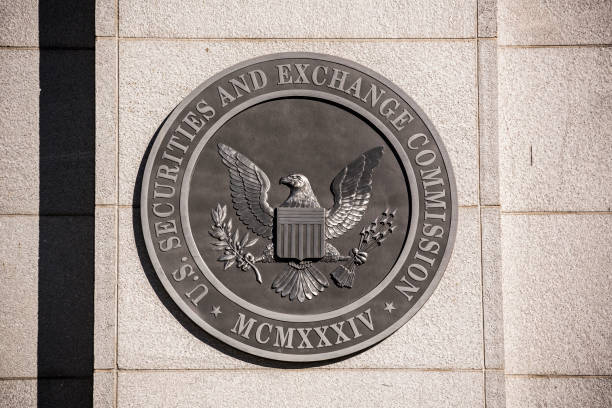
This legal framework is enforced mainly by the Securities and Exchange Commission (SEC) and supported by federal courts, FINRA, and other regulatory bodies. Because financial markets are complex and high-value, securities law plays a critical role in maintaining trust and stability in the U.S. economy.
This guide provides a complete overview of USA Securities Law, including what it is, its benefits, costs, how to choose a securities lawyer, and frequently asked questions. It is designed for SEO optimization and high CPC legal content publishing.

What Is USA Securities Law?
USA Securities Law refers to the body of federal laws and regulations that govern the buying, selling, and issuing of financial securities in the United States. It ensures that investors receive accurate information and are protected from fraud and manipulation.
Securities include:
- Stocks (equity shares)
- Bonds (debt instruments)
- Mutual funds
- Exchange-traded funds (ETFs)
- Derivatives
- Investment contracts
Purpose of Securities Law
The main goals of securities law are:
- Protect investors from fraud
- Ensure transparency in financial markets
- Require disclosure of financial information
- Prevent insider trading
- Maintain market integrity
- Promote fair trading practices
Governing Authorities
Key regulators include:
- Securities and Exchange Commission (SEC)
- Financial Industry Regulatory Authority (FINRA)
- Federal courts
- State securities regulators
Major Securities Laws in the USA
- Securities Act of 1933
- Securities Exchange Act of 1934
- Investment Company Act of 1940
- Investment Advisers Act of 1940
- Sarbanes-Oxley Act
- Dodd-Frank Act
Key Concepts in Securities Law
- Disclosure requirements
- Registration of securities
- Anti-fraud provisions
- Corporate reporting obligations
- Insider trading regulations
How USA Securities Law Works
Securities law ensures that companies and financial professionals follow strict rules when dealing with investments.
Step 1: Registration of Securities
Companies must register securities before offering them to the public unless exempt.
Step 2: Disclosure Requirements
Companies must provide accurate financial information to investors.
Step 3: Market Regulation
SEC monitors trading activity for fraud and manipulation.
Step 4: Enforcement Actions
Violations can result in:
- Fines
- Civil penalties
- Criminal charges
- Trading bans
Step 5: Investor Protection
Investors can file complaints or lawsuits for financial losses caused by fraud.
Benefits of USA Securities Law
Investor Protection
Securities law protects investors from misleading financial practices.
Market Transparency
Companies must disclose accurate financial data.
Fraud Prevention
Strict regulations reduce investment scams and fraud.
Fair Trading Environment
Ensures all investors have equal access to information.
Economic Stability
Stable financial markets support overall economic growth.
Legal Accountability
Companies and brokers are held responsible for misconduct.
Benefits for Investors
Protection from Fraud
Investors are protected against scams and misrepresentation.
Access to Accurate Information
Required disclosures help investors make informed decisions.
Legal Remedies
Investors can sue for financial losses caused by violations.
Market Confidence
Regulated markets increase trust in investments.
Benefits for Companies
Legal Compliance Framework
Clear rules help companies operate legally.
Investor Trust
Transparency builds credibility with investors.
Access to Capital
Compliance allows companies to raise funds through public markets.
Reduced Legal Risk
Following regulations reduces lawsuits and penalties.
Cost of Securities Law Legal Services
Legal services in securities law vary depending on complexity and case type.
Hourly Rates
Securities lawyers typically charge:
- $300 to $1,200 per hour
Flat Fees
Certain services include fixed pricing:
- Compliance review: $2,000 to $25,000
- SEC filing assistance: $5,000 to $50,000
Retainer Fees
Ongoing legal support may cost:
- $10,000 to $100,000+ monthly
Litigation Costs
Complex SEC or fraud cases can cost:
- $100,000 to several million dollars
Factors Affecting Cost
Litigation vs advisory work
Case complexity
Regulatory involvement
Size of company

How to Choose a Securities Lawyer
Selecting the right lawyer is essential for compliance and defense.
Look for SEC Experience
Choose lawyers experienced with:
- SEC investigations
- FINRA cases
- Federal securities litigation
Check Industry Expertise
Lawyers should understand:
- Financial markets
- Investment structures
- Corporate finance
Review Case History
Look for successful:
- Fraud defense cases
- Compliance cases
- Regulatory approvals
Evaluate Communication Skills
Complex financial laws require clear explanations.
Understand Fees Clearly
Ensure transparent billing structures.
Reputation and Reviews
Check:
- Client feedback
- Legal rankings
- Professional reputation
Questions to Ask a Securities Lawyer
- Have you handled SEC investigations before?
- What is your success rate in securities cases?
- How do you handle compliance issues?
- What are total expected costs?
- What risks should I consider?
- Will this case go to court or settlement?
Common Securities Law Issues in the USA
Insider Trading
Using confidential information for profit.
Securities Fraud
Misleading investors about financial performance.
Market Manipulation
Artificially influencing stock prices.
Disclosure Violations
Failing to provide required financial information.
Broker Misconduct
Unethical behavior by financial advisors.
Ponzi Schemes
Fraudulent investment operations.
SEC Enforcement Process
Investigation
SEC gathers evidence and financial data.
Subpoena
Requests documents and testimony.
Charges
Formal enforcement action is filed.
Settlement or Trial
Cases may be resolved or litigated.
Penalties
Include fines, bans, and imprisonment.
Importance of Compliance Programs
Companies implement compliance systems to avoid violations.
Key Compliance Tools
- Internal audits
- Employee training
- Financial reporting systems
- Risk monitoring
Securities Law Trends in 2026
Rise of Digital Trading Platforms
More regulation of fintech and apps.
Crypto Regulation Expansion
Stronger oversight of digital assets.
AI in Financial Markets
Monitoring AI-driven trading systems.
Increased SEC Enforcement
More aggressive fraud detection and penalties.
When Should You Contact a Securities Lawyer?
You should seek legal help if:
You need regulatory approval supportFAQ About USA Securities Law
What is securities law?
It regulates financial markets and protects investors.
Who enforces securities law in the USA?
The SEC is the primary regulator.
What is securities fraud?
Illegal deception in investment transactions.
Do I need a securities lawyer?
Yes, for compliance or SEC investigations.
What happens if I violate securities law?
You may face fines, penalties, or imprisonment.
Can investors sue companies?
Yes, for fraud or misrepresentation.
They may take months or years depending on complexity.
FAQ About USA Securities Law
What is securities law?
It regulates financial markets and protects investors.
Who enforces securities law in the USA?
The SEC is the primary regulator.
What is securities fraud?
Illegal deception in investment transactions.
Do I need a securities lawyer?
Yes, for compliance or SEC investigations.
What happens if I violate securities law?
You may face fines, penalties, or imprisonment.
Can investors sue companies?
Yes, for fraud or misrepresentation.
How long do SEC investigations take?
They may take months or years depending on complexity.
Final Thoughts
USA Securities Law is a cornerstone of the American financial system, ensuring transparency, fairness, and investor protection. It regulates how companies raise capital, how brokers operate, and how financial markets function.
For investors, securities law provides essential protection against fraud and manipulation. For companies, it creates a structured legal framework that supports growth while maintaining compliance.
As financial markets evolve in 2026 with digital trading, cryptocurrency, and AI-driven systems, securities law continues to expand in importance. Understanding these laws—and working with experienced securities attorneys when necessary—is essential for legal safety and financial success.