
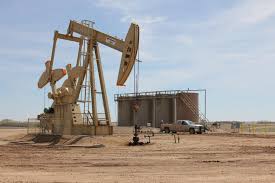
The energy sector is one of the largest and most heavily regulated industries in the United States. From oil drilling and natural gas production to renewable energy projects and pipeline infrastructure, the legal framework governing energy operations is extremely complex. USA Energy, Oil & Gas Law plays a crucial role in regulating energy production, environmental compliance, land use, mineral rights, and commercial transactions.
This legal field affects energy companies, landowners, investors, government agencies, and consumers. It combines elements of environmental law, property law, contract law, administrative law, and regulatory compliance. Because the industry involves massive investments and environmental concerns, legal guidance is essential for avoiding disputes and maintaining compliance.
This complete guide explains USA Energy, Oil & Gas Law in detail, including regulations, legal rights, benefits, costs, industry challenges, and how to choose the right energy law attorney.
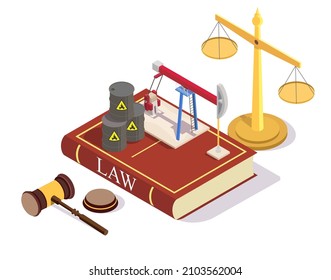
What Is USA Energy, Oil & Gas Law?
USA Energy, Oil & Gas Law refers to the legal system regulating:
- Oil and natural gas production
- Energy transportation and pipelines
- Mineral ownership rights
- Renewable energy development
- Environmental compliance
- Energy market regulations
The law governs how energy resources are explored, extracted, transported, sold, and regulated across the United States.
Key Areas of Energy, Oil & Gas Law
Mineral Rights Law
Determines ownership of underground resources such as:
- Oil
- Natural gas
- Coal
- Minerals
Landowners may own surface rights but not mineral rights.
Drilling and Exploration Law
Regulates oil and gas exploration activities.
Includes:
- Drilling permits
- Safety regulations
- Land access agreements
Pipeline and Transportation Law
Governs transportation of energy resources through:
- Pipelines
- Rail systems
- Tankers
Environmental Compliance Law
Energy companies must comply with environmental regulations regarding:
- Air pollution
- Water contamination
- Waste disposal
Renewable Energy Law
Regulates:
- Solar energy
- Wind power
- Battery storage
- Green energy incentives
Federal Agencies Regulating Energy Law
Environmental Protection Agency (EPA)
Regulates pollution and environmental compliance.
Federal Energy Regulatory Commission (FERC)
Oversees interstate energy transmission and markets.
Department of Energy (DOE)
Manages national energy policies.
Bureau of Land Management (BLM)
Regulates drilling on federal lands.
Oil and Gas Lease Agreements
Lease agreements are contracts allowing companies to extract resources from land.
Common Lease Terms:
- Royalty payments
- Lease duration
- Drilling obligations
- Environmental protections
Importance of Legal Review
Poorly drafted leases can lead to major financial losses.
Mineral Rights Explained
Mineral rights owners can lease or sell extraction rights.
Rights Include:
- Exploration rights
- Drilling rights
- Royalty income
Surface vs Mineral Rights
In some states:
- Surface ownership and mineral ownership are separate.
Environmental Regulations in Energy Law
Energy projects must follow strict environmental laws.
Common Regulations:
- Clean Air Act
- Clean Water Act
- Hazardous waste rules
Environmental Impact Assessments
Large projects often require environmental reviews before approval.
Fracking Laws in the USA
Hydraulic fracturing (“fracking”) is heavily regulated due to environmental concerns.
Legal Issues Include:
- Water contamination
- Air emissions
- Landowner disputes
Offshore Drilling Regulations
Offshore drilling involves federal oversight.
Requirements Include:
- Safety inspections
- Spill prevention plans
- Environmental permits
Renewable Energy Legal Framework
Renewable energy law is rapidly expanding.
Covers:
- Solar farm permits
- Wind energy contracts
- Government tax incentives
Benefits of USA Energy, Oil & Gas Law
Protects Property Rights
Clarifies mineral and land ownership rights.
Supports Energy Development
Creates legal structure for energy production.
Encourages Environmental Protection
Regulates pollution and ecological impact.
Promotes Economic Growth
Energy industries generate jobs and investment.
Reduces Legal Disputes
Clear contracts and regulations reduce conflicts.
Costs of Energy & Oil Law Cases
Energy law matters can involve substantial legal expenses.
| Expense | Estimated Cost |
|---|---|
| Energy law attorney | $300–$1,200/hour |
| Lease negotiations | $5,000–$50,000 |
| Environmental compliance | $10,000–millions |
| Regulatory litigation | $50,000–$500,000+ |
| Energy arbitration | $25,000–$250,000 |
Hidden Costs in Energy Law
Environmental Cleanup Costs
Pollution cleanup may cost millions.
Permit Delays
Project approvals can take years.
Regulatory Penalties
Violations may lead to heavy fines.
Operational Shutdowns
Non-compliance may halt production.
Reputation Damage
Environmental disputes affect public image.
Energy Litigation and Disputes
Common Disputes Include:
- Royalty payment disagreements
- Environmental damage claims
- Contract breaches
- Land access conflicts
Arbitration in Energy Law
Many energy disputes are resolved through arbitration instead of court.
Pipeline Law and Regulations
Pipelines are regulated for:
- Safety standards
- Environmental impact
- Interstate transportation rules
Eminent Domain Issues
Governments or pipeline companies may acquire private land for infrastructure projects.
Corporate Energy Compliance
Energy companies must comply with:
- Environmental laws
- Safety standards
- Reporting requirements
Failure can lead to investigations and penalties.
Role of Energy & Oil Lawyers
Energy law attorneys assist with:
- Lease drafting
- Regulatory compliance
- Litigation defense
- Environmental disputes
Services Include:
- Contract negotiation
- Permit applications
- Agency representation
- Court litigation
How to Choose the Right Energy Lawyer
Industry Experience
Choose lawyers familiar with oil, gas, or renewable energy sectors.
Regulatory Expertise
Knowledge of federal and state regulations is essential.
Environmental Law Knowledge
Energy law often overlaps with environmental law.
Litigation Experience
Important for high-value disputes.
Strong Negotiation Skills
Critical for lease and royalty agreements.
Questions to Ask an Energy Lawyer
- Have you handled oil and gas cases before?
- Do you specialize in energy compliance?
- What industries do you represent?
- What are your legal fees?
- Have you handled environmental disputes?
Technology in Energy Law
Modern energy systems use:
- AI compliance monitoring
- Digital pipeline inspections
- Automated environmental tracking
Future Trends in Energy Law
- Expansion of renewable energy regulations
- Stronger climate policies
- Increased ESG compliance requirements
- Carbon capture regulations
- Growth of clean energy investment laws
Tips for Landowners
Review Lease Agreements Carefully
Never sign without legal review.
Understand Royalty Terms
Know how payments are calculated.
Verify Mineral Ownership
Ownership rights may differ from surface rights.
Monitor Environmental Impact
Track drilling activities on your property.
Hire Legal Experts Early
Prevent future disputes.

FAQ
What is USA Energy, Oil & Gas Law?
It is the legal system regulating energy production, drilling, mineral rights, and environmental compliance in the United States.
What are mineral rights?
They are ownership rights to underground natural resources such as oil and gas.
What is an oil and gas lease?
It is a contract allowing companies to extract resources from land.
Is fracking legal in the USA?
Yes, but it is heavily regulated at federal and state levels.
What agency regulates pipelines?
The Federal Energy Regulatory Commission (FERC) oversees many interstate pipeline activities.
Why do energy companies need lawyers?
Energy law involves complex contracts, regulations, and environmental compliance.
Are energy law cases expensive?
Yes, especially for environmental disputes and large commercial projects.
Conclusion
USA Energy, Oil & Gas Law is a critical legal framework that governs one of the most economically significant industries in the country. From mineral rights and drilling regulations to environmental compliance and renewable energy development, this legal field shapes how energy resources are produced and managed.
Because energy operations involve high financial stakes, environmental risks, and complex regulations, legal expertise is essential for companies, investors, and landowners. Proper legal guidance helps reduce disputes, ensure compliance, and protect long-term financial interests.
As the United States continues transitioning toward renewable energy and stricter environmental standards, energy law will remain central to balancing economic growth, energy security, and environmental sustainability.


