
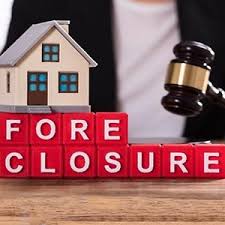
Foreclosure is one of the most stressful legal and financial challenges a homeowner can face in the United States. Losing a home can affect financial stability, credit history, employment opportunities, and family security for many years. Fortunately, USA foreclosure-defense law provides homeowners with legal protections, negotiation opportunities, and courtroom strategies that may stop, delay, or resolve foreclosure actions.
Many homeowners mistakenly believe foreclosure is unavoidable once mortgage payments are missed. In reality, federal laws, state laws, consumer protection regulations, bankruptcy rules, and lender compliance requirements create multiple opportunities for defense. A skilled foreclosure-defense strategy can help homeowners challenge improper lender conduct, negotiate affordable repayment options, seek loan modifications, or even prevent unlawful foreclosure sales.
This comprehensive guide explains foreclosure-defense law in the United States, including legal procedures, benefits, costs, defense strategies, attorney selection methods, homeowner rights, and frequently asked questions.
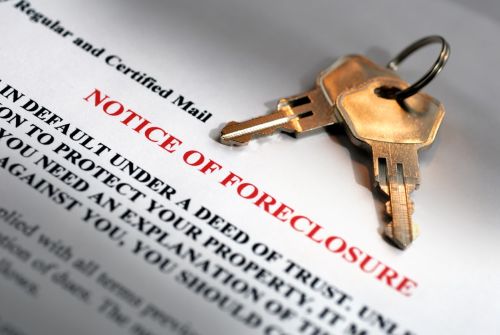
What Is USA Foreclosure-Defense Law?
USA foreclosure-defense law refers to the legal rules, procedures, and strategies used to protect homeowners against foreclosure actions initiated by lenders or mortgage servicing companies. Foreclosure occurs when a borrower fails to make mortgage payments and the lender attempts to recover the remaining loan balance by taking and selling the property.
Foreclosure-defense law focuses on protecting homeowner rights during this process. Attorneys, legal advocates, and financial professionals use federal statutes, state foreclosure regulations, procedural defenses, and negotiation tactics to challenge or manage foreclosure actions.
Foreclosure-defense law covers:
- Judicial foreclosure cases
- Non-judicial foreclosure proceedings
- Mortgage servicing violations
- Loan modification disputes
- Wrongful foreclosure claims
- Bankruptcy protections
- Foreclosure mediation
- Consumer financial protection violations
- Predatory lending claims
- Debt validation disputes
- Mortgage contract interpretation
- Short sale negotiations
- Loss mitigation procedures
Homeowners may seek foreclosure defense after:
- Missing mortgage payments
- Experiencing financial hardship
- Job loss
- Medical emergencies
- Divorce
- Business failure
- Adjustable-rate mortgage increases
- Natural disasters
- Military deployment
- Improper lender conduct
Understanding the Foreclosure Process in the USA
Foreclosure laws differ between states, but most foreclosure actions follow a similar pattern.
1. Missed Mortgage Payments
The foreclosure process usually begins after a borrower misses multiple mortgage payments. Lenders may send notices, late payment warnings, or default letters.
2. Notice of Default
Many states require lenders to issue a formal notice of default before foreclosure begins.
3. Loss Mitigation Review
Federal mortgage servicing regulations often require lenders to evaluate homeowners for alternatives such as:
- Loan modification
- Repayment plans
- Forbearance
- Refinancing
- Short sales
- Deed in lieu of foreclosure
4. Foreclosure Filing or Notice of Sale
Depending on state law, lenders may:
- File a lawsuit in court (judicial foreclosure)
- Issue a notice of trustee sale (non-judicial foreclosure)
5. Homeowner Response Period
Borrowers usually have a limited time to respond. Failure to act can result in default judgment or accelerated foreclosure.
6. Court Proceedings or Trustee Sale
The lender may proceed toward property sale if defenses fail or settlements are not reached.
7. Eviction or Redemption Period
Some states allow redemption periods where homeowners can reclaim property after foreclosure by paying certain amounts.
Types of Foreclosure in the United States
Judicial Foreclosure
Judicial foreclosure requires lenders to file lawsuits in court. Homeowners have opportunities to present legal defenses before judges.
States using judicial foreclosure often include:
- Florida
- New York
- Illinois
- New Jersey
- Ohio
Benefits for homeowners include:
- More procedural protections
- Additional negotiation time
- Court oversight
- Discovery opportunities
Non-Judicial Foreclosure
Non-judicial foreclosure allows lenders to foreclose without filing lawsuits if mortgage documents contain power-of-sale clauses.
States commonly using non-judicial foreclosure include:
- California
- Texas
- Arizona
- Georgia
- Nevada
These cases move faster, making immediate legal action extremely important.
Major Federal Laws Protecting Homeowners
Several federal laws create foreclosure protections for borrowers.
Real Estate Settlement Procedures Act (RESPA)
RESPA regulates mortgage servicing practices and requires lenders to follow proper loss mitigation procedures.
Truth in Lending Act (TILA)
TILA requires accurate loan disclosures and protects consumers from deceptive lending practices.
Fair Debt Collection Practices Act (FDCPA)
FDCPA limits abusive debt collection behavior by certain mortgage debt collectors.
Consumer Financial Protection Rules
The Consumer Financial Protection Bureau established servicing regulations requiring lenders to:
- Review loss mitigation applications
- Avoid dual tracking violations
- Provide notices
- Follow communication requirements
Servicemembers Civil Relief Act (SCRA)
SCRA protects active-duty military members from certain foreclosure actions.
Bankruptcy Code Protections
Federal bankruptcy laws may temporarily stop foreclosure through automatic stays.
Common Foreclosure-Defense Strategies
Every foreclosure case is different. Effective defense strategies depend on mortgage documents, state laws, financial circumstances, and lender conduct.
Loan Modification Negotiation
Loan modifications adjust mortgage terms to create affordable payments.
Possible modifications include:
- Interest rate reductions
- Extended loan terms
- Principal forbearance
- Payment restructuring
- Delinquency capitalization
Attorneys may negotiate aggressively with mortgage servicers to obtain sustainable repayment arrangements.
Challenging Standing
Lenders must prove they legally own the mortgage note and have authority to foreclose.
Defense attorneys may challenge:
- Improper note transfers
- Missing endorsements
- Assignment defects
- Securitization issues
- Documentation inconsistencies
Procedural Violations
Foreclosure cases sometimes contain procedural defects.
Examples include:
- Improper notice delivery
- Filing errors
- Statute of limitations violations
- Incorrect accounting
- Failure to comply with state statutes
Wrongful Foreclosure Claims
Homeowners may sue lenders for wrongful foreclosure if the foreclosure violates legal requirements.
Potential claims include:
- Fraud
- Breach of contract
- Consumer protection violations
- Predatory lending
- Payment misapplication
- Illegal fees
Bankruptcy Protection
Filing bankruptcy may temporarily stop foreclosure through an automatic stay.
Chapter 13 Bankruptcy
Chapter 13 allows borrowers to:
- Catch up missed payments
- Keep their homes
- Reorganize debts
- Prevent immediate foreclosure
Chapter 7 Bankruptcy
Chapter 7 may delay foreclosure temporarily and eliminate certain debts.
Foreclosure Mediation
Some states require mediation programs allowing homeowners and lenders to negotiate alternatives before foreclosure sales occur.
Debt Validation and Accounting Challenges
Attorneys may review:
- Mortgage payment histories
- Escrow calculations
- Late fees
- Interest charges
- Servicer accounting records
Errors sometimes create leverage for settlement or dismissal.
Benefits of Hiring a Foreclosure-Defense Attorney
Many homeowners attempt to handle foreclosure alone, but experienced legal representation often improves outcomes.
1. Increased Chance of Saving the Home
Attorneys understand procedural deadlines, negotiation tactics, and legal defenses that may prevent foreclosure.
2. Stronger Negotiation Power
Mortgage servicers often respond more seriously when attorneys are involved.
3. Protection Against Illegal Practices
Lawyers can identify lender misconduct and regulatory violations.
4. Access to Courtroom Representation
Judicial foreclosure cases may require motions, hearings, evidence review, and litigation strategy.
5. Better Loan Modification Results
Attorneys may help prepare stronger loss mitigation applications.
6. Reduced Stress
Professional representation allows homeowners to focus on financial recovery and family responsibilities.
7. Bankruptcy Coordination
Foreclosure-defense lawyers may coordinate with bankruptcy counsel when appropriate.
8. Delay or Prevention of Eviction
Legal intervention may delay foreclosure timelines and create additional housing options.
9. Protection of Credit and Financial Future
Negotiated resolutions may reduce long-term credit damage.
10. Financial Recovery Opportunities
Some wrongful foreclosure cases result in damages or settlements.

Foreclosure Alternatives for Homeowners
Foreclosure defense does not always mean litigation. Alternative resolutions may provide better long-term outcomes.
Loan Modification
A lender changes loan terms to reduce payment burdens.
Mortgage Refinancing
Refinancing replaces the existing mortgage with a new loan.
Forbearance Agreements
Temporary payment reductions or pauses help borrowers recover from short-term hardship.
Repayment Plans
Missed payments are added gradually to future payments.
Short Sale
The property is sold for less than the mortgage balance with lender approval.
Deed in Lieu of Foreclosure
The homeowner voluntarily transfers ownership to the lender.
Cash-for-Keys Agreements
Lenders sometimes offer relocation assistance in exchange for smooth property transfer.
Foreclosure-Defense Costs in the USA
Legal costs vary depending on case complexity, state laws, attorney experience, and litigation requirements.
Typical Attorney Fee Structures
Hourly Billing
Many foreclosure attorneys charge hourly rates.
Average rates may range from:
- $150 to $700 per hour
Large metropolitan areas and highly experienced attorneys usually charge more.
Flat Fees
Some lawyers offer flat-rate services for:
- Loan modification assistance
- Initial case review
- Bankruptcy filings
- Limited foreclosure defense
Retainer Agreements
Complex litigation often requires upfront retainers.
Contingency Fees
Wrongful foreclosure lawsuits involving damages may sometimes use contingency fee structures.
Additional Costs Associated With Foreclosure Defense
Homeowners should understand potential expenses beyond attorney fees.
Court Filing Fees
Court systems charge filing costs for motions, lawsuits, and appeals.
Expert Witness Fees
Complex financial disputes may require accounting or mortgage experts.
Bankruptcy Filing Costs
Bankruptcy petitions include court and administrative fees.
Document Retrieval Expenses
Attorneys may obtain mortgage assignments, servicing records, and title documents.
Mediation Fees
Certain states charge mediation program costs.
Factors Affecting Foreclosure-Defense Costs
Several variables influence legal expenses.
State Foreclosure Laws
Judicial foreclosure states often involve more litigation.
Complexity of Claims
Cases involving fraud, securitization, or multiple lenders may require substantial work.
Timeline of Representation
Late-stage foreclosure defense usually costs more due to emergency actions.
Bankruptcy Coordination
Combined bankruptcy and foreclosure representation increases complexity.
Trial Preparation
Litigation costs rise significantly when cases proceed to trial.
How to Choose the Best Foreclosure-Defense Attorney
Selecting qualified legal counsel is one of the most important decisions homeowners make during foreclosure disputes.
1. Focus on Foreclosure and Real Estate Law
Choose attorneys with substantial experience handling mortgage litigation and foreclosure defense.
2. Verify State Licensing
Ensure the attorney is licensed and in good standing in the relevant state.
3. Review Case Experience
Ask about:
- Judicial foreclosure cases
- Loan modification success
- Bankruptcy coordination
- Wrongful foreclosure litigation
- Trial experience
4. Understand Fee Structures
Request written explanations regarding:
- Hourly billing
- Retainers
- Litigation costs
- Payment schedules
5. Read Client Reviews
Client feedback may reveal communication quality and professionalism.
6. Evaluate Communication Skills
Good attorneys explain:
- Risks
- Deadlines
- Strategies
- Possible outcomes
- Settlement options
7. Avoid Foreclosure Scams
Some companies falsely promise guaranteed foreclosure relief.
Warning signs include:
- Upfront modification guarantees
- Unrealistic promises
- Requests to transfer property titles
- Pressure tactics
- Lack of licensing information
8. Ask About Loss Mitigation Strategy
A practical attorney should discuss both litigation and settlement options.
9. Review Professional Credentials
Look for:
- Bar association memberships
- Real estate law certifications
- Bankruptcy law experience
- Consumer protection litigation history
10. Consider Local Court Experience
Attorneys familiar with local judges and foreclosure procedures may navigate cases more effectively.
Key Legal Defenses Used in Foreclosure Cases
Foreclosure-defense attorneys often rely on specific legal arguments.
Improper Mortgage Assignment
Lenders sometimes fail to transfer mortgage rights correctly.
Robo-Signing Allegations
Mass-produced mortgage documents may contain inaccurate signatures or certifications.
Payment Accounting Errors
Servicers occasionally misapply payments or miscalculate balances.
Dual Tracking Violations
Federal rules prohibit certain lenders from pursuing foreclosure while reviewing loan modification applications.
Predatory Lending Claims
Some mortgages involve deceptive or abusive lending practices.
Failure to Provide Required Notices
Improper notices may invalidate foreclosure actions.
Statute of Limitations Defenses
Certain states limit how long lenders can wait before foreclosing.
Breach of Contract
Mortgage servicers may violate loan agreements.
Impact of Foreclosure on Credit and Finances
Foreclosure can create major financial consequences.
Credit Score Damage
Foreclosures may significantly reduce credit scores.
Future Loan Restrictions
Borrowers may face waiting periods before qualifying for:
- FHA loans
- Conventional mortgages
- VA loans
Tax Consequences
Debt forgiveness may create taxable income under certain circumstances.
Emotional and Family Stress
Housing instability can affect mental health and family relationships.
Employment Challenges
Some employers review credit histories during hiring.
How Homeowners Can Strengthen Their Foreclosure Defense
Borrowers can improve legal outcomes by taking proactive steps.
Keep Detailed Records
Maintain copies of:
- Mortgage statements
- Payment confirmations
- Emails
- Letters
- Loan modification submissions
Respond Quickly to Notices
Ignoring foreclosure documents increases risk.
Avoid Scams
Never pay large upfront fees to unverified companies.
Continue Communication With Lenders
Document all conversations and requests.
Seek Legal Help Early
Early intervention often expands available options.
Foreclosure Trends in the United States
Economic conditions heavily influence foreclosure activity.
Common factors increasing foreclosure rates include:
- Rising unemployment
- Inflation
- Adjustable-rate mortgage increases
- Economic recessions
- Medical debt
- Housing market declines
- Natural disasters
Government relief programs sometimes temporarily reduce foreclosure activity during national emergencies.
State Differences in Foreclosure Law
Foreclosure procedures vary dramatically across states.
Redemption Rights
Some states allow borrowers to reclaim homes after foreclosure sales.
Deficiency Judgments
Lenders in certain states may sue borrowers for unpaid balances after foreclosure sales.
Mediation Requirements
Several states require mandatory foreclosure mediation.
Timeline Differences
Some states complete foreclosure within months while others take years.
Anti-Deficiency Protections
Certain states limit lender recovery after foreclosure.
Because state law differences are substantial, homeowners should consult attorneys familiar with local foreclosure regulations.
Foreclosure Defense and Bankruptcy Relationship
Bankruptcy is one of the most powerful legal tools available to distressed homeowners.
Automatic Stay Protection
Bankruptcy filing immediately pauses many collection activities.
Mortgage Arrearage Repayment
Chapter 13 plans allow repayment of overdue mortgage balances over time.
Debt Elimination
Bankruptcy may discharge credit cards and medical debt, improving mortgage affordability.
Lien Stripping Possibilities
Certain junior liens may be removable in bankruptcy proceedings.
Risks of Bankruptcy
Bankruptcy affects credit and requires court supervision.
Professional legal advice is essential before filing.
Wrongful Foreclosure Lawsuits
Wrongful foreclosure occurs when lenders violate legal requirements during foreclosure.
Common Grounds for Lawsuits
- Fraudulent documentation
- Improper notice
- Payment misapplication
- Illegal fees
- Servicing errors
- Breach of contract
- Consumer protection violations
Possible Remedies
Successful lawsuits may result in:
- Monetary damages
- Injunctions
- Foreclosure reversal
- Attorney fee recovery
- Settlement agreements
Role of Mortgage Servicers in Foreclosure Cases
Mortgage servicers manage loan accounts on behalf of lenders or investors.
Servicer responsibilities include:
- Collecting payments
- Managing escrow accounts
- Processing modifications
- Sending notices
- Coordinating foreclosure actions
Servicing mistakes frequently contribute to foreclosure disputes.
Importance of Early Legal Intervention
The earlier homeowners seek legal assistance, the more defense strategies may be available.
Early intervention helps:
- Prevent default judgments
- Preserve negotiation leverage
- Organize documentation
- Explore alternatives
- Avoid emergency litigation costs
Waiting until foreclosure sale dates approach significantly limits options.
Frequently Asked Questions (FAQ)
What is foreclosure-defense law?
Foreclosure-defense law involves legal strategies used to protect homeowners from foreclosure actions and challenge improper lender conduct.
Can foreclosure be stopped permanently?
In some cases, yes. Outcomes depend on finances, lender cooperation, state law, and available legal defenses.
How long does foreclosure take in the USA?
Timelines vary widely by state. Some foreclosures take several months while others last years.
Is bankruptcy a good option for stopping foreclosure?
Bankruptcy may temporarily stop foreclosure and help reorganize debt, but it is not appropriate for every situation.
What is a loan modification?
A loan modification changes mortgage terms to create more affordable payments.
Can I defend foreclosure without a lawyer?
Yes, but foreclosure law is highly technical. Legal representation often improves outcomes.
What happens if I ignore foreclosure notices?
Ignoring notices may result in accelerated foreclosure, default judgments, and loss of legal defenses.
Can lenders foreclose during loan modification review?
Federal rules may restrict foreclosure activity during certain stages of loss mitigation review.
What is wrongful foreclosure?
Wrongful foreclosure occurs when lenders violate legal requirements or homeowner rights during foreclosure.
How much does a foreclosure-defense attorney cost?
Costs vary depending on case complexity, location, attorney experience, and litigation requirements.
Does foreclosure ruin credit permanently?
Foreclosure damages credit significantly, but borrowers can rebuild credit over time.
What is the difference between judicial and non-judicial foreclosure?
Judicial foreclosure uses court proceedings, while non-judicial foreclosure occurs outside traditional courtroom litigation.
Can foreclosure affect future employment?
Some employers review credit reports, particularly for financial positions.
What documents should I keep during foreclosure?
Keep mortgage statements, notices, payment records, modification applications, and communication logs.
Are foreclosure rescue companies trustworthy?
Some are legitimate, but many scams target distressed homeowners. Verify licensing and credentials carefully.
Final Thoughts
USA foreclosure-defense law provides homeowners with powerful legal protections and strategic opportunities during mortgage disputes. Although foreclosure can feel overwhelming, borrowers often have more rights and options than they realize. Federal regulations, state statutes, bankruptcy protections, consumer laws, and negotiation procedures create multiple pathways for defending homes and resolving mortgage delinquency.
Successful foreclosure defense depends on fast action, careful documentation, informed legal strategy, and experienced representation. Whether pursuing loan modification, bankruptcy protection, wrongful foreclosure claims, or settlement negotiations, homeowners benefit significantly from understanding the legal process and acting early.
As housing markets, interest rates, and economic conditions continue evolving across the United States, foreclosure-defense law remains an essential area of consumer protection. Homeowners facing mortgage hardship should seek professional legal guidance immediately to preserve their rights, financial stability, and housing security.


