

Driving under the influence is one of the most serious traffic-related criminal offenses in the United States. Every year, thousands of drivers face arrest, heavy fines, license suspension, higher insurance premiums, and even jail time because of DUI or DWI violations. Understanding the legal system surrounding impaired driving is essential for protecting your rights, avoiding severe penalties, and making informed legal decisions.
Although many people use the terms DUI and DWI interchangeably, different states may define and apply these charges differently. Some states use DUI (Driving Under the Influence), while others use DWI (Driving While Intoxicated or Driving While Impaired). Regardless of terminology, these laws are designed to reduce dangerous driving behavior caused by alcohol, drugs, or controlled substances.
This comprehensive guide explains how DUI and DWI laws work in the United States, the penalties drivers may face, legal defense options, associated costs, and how to select the right attorney for your case.
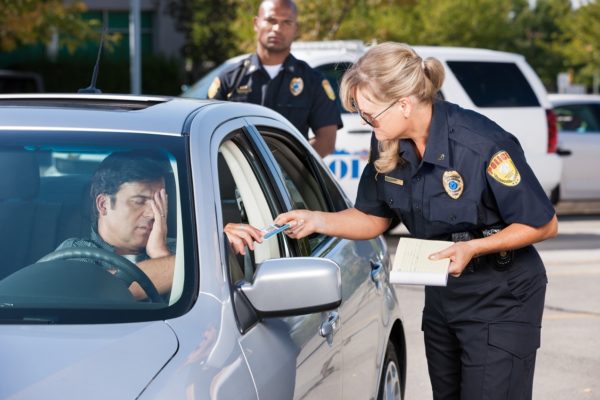
What Is USA DUI and DWI Law?
USA DUI and DWI law refers to state and federal regulations that prohibit operating a motor vehicle while impaired by alcohol, drugs, or intoxicating substances. These laws are intended to improve public safety and reduce accidents caused by impaired driving.
In most states, a driver can be charged if their Blood Alcohol Concentration (BAC) exceeds the legal limit. For adult drivers over age 21, the standard legal BAC limit is 0.08%. Commercial drivers often face a lower limit of 0.04%, while drivers under 21 may be subject to zero-tolerance rules.
DUI and DWI charges can result from impairment caused by:
- Alcohol
- Illegal drugs
- Prescription medication
- Recreational substances
- Combination of substances
Law enforcement officers may conduct:
- Traffic stops
- Breathalyzer tests
- Field sobriety tests
- Blood tests
- Urine tests
If impairment is suspected, the driver may be arrested and formally charged.
Difference Between DUI and DWI
The meaning of DUI and DWI depends on state law. In some states, both terms exist but represent different levels of impairment.
DUI (Driving Under the Influence)
DUI commonly refers to driving under the influence of alcohol or drugs that impair driving ability.
DWI (Driving While Intoxicated or Impaired)
DWI may indicate a more severe intoxication level in certain jurisdictions.
For example:
- Some states treat DWI as a more serious offense than DUI.
- Other states only use one term.
- A few states use OWI (Operating While Intoxicated) or OUI (Operating Under the Influence).
Because laws vary by state, consulting an experienced DUI attorney is essential.
How DUI and DWI Arrests Happen
Most DUI cases begin with a traffic stop. Officers may stop a driver for:
- Speeding
- Swerving
- Running traffic signals
- Reckless driving
- Vehicle equipment violations
After the stop, officers observe signs of impairment such as:
- Slurred speech
- Bloodshot eyes
- Smell of alcohol
- Poor coordination
- Confusion
The officer may request sobriety testing.
Field Sobriety Tests
Common field tests include:
- Walk-and-turn test
- One-leg stand test
- Horizontal gaze nystagmus test
These tests evaluate balance, coordination, and attention.
Chemical Testing
Chemical testing may involve:
- Breath test
- Blood test
- Urine test
Refusing a chemical test can trigger automatic license suspension under implied consent laws.
DUI and DWI Penalties in the USA
Penalties vary by state, prior convictions, BAC level, and whether injuries occurred.
First-Time DUI Offense
Typical penalties may include:
- Fines between $500 and $2,500
- Driver’s license suspension
- DUI education programs
- Probation
- Community service
- Possible jail time
Second DUI Offense
Second offenses often bring harsher consequences:
- Higher fines
- Longer license suspension
- Mandatory jail sentence
- Ignition interlock device installation
- Extended probation
Felony DUI
A DUI may become a felony if:
- Serious injury occurred
- A death occurred
- Multiple prior offenses exist
- A child passenger was present
Felony convictions can lead to years in prison.
Blood Alcohol Concentration (BAC) Limits
BAC measures alcohol percentage in the bloodstream.
Standard BAC Limits
- Adults: 0.08%
- Commercial drivers: 0.04%
- Underage drivers: 0.00% to 0.02%
Drivers may still face DUI charges even below legal limits if impairment is proven.
Implied Consent Laws
Most states apply implied consent rules, meaning drivers automatically agree to chemical testing when operating a vehicle.
Refusing testing may result in:
- Automatic license suspension
- Increased penalties
- Use of refusal evidence in court
Administrative penalties often occur even if criminal charges are dismissed.
DUI and Drug-Impaired Driving
DUI charges are not limited to alcohol. Drug-impaired driving laws also apply to:
- Marijuana
- Cocaine
- Opioids
- Methamphetamine
- Prescription medications
Even legally prescribed drugs can trigger DUI charges if they impair driving ability.
DUI Court Process in the USA
Understanding the court process helps drivers prepare for legal proceedings.
Arrest and Booking
The process begins with arrest, fingerprinting, and temporary detention.
Arraignment
The defendant appears before a judge and enters a plea:
- Guilty
- Not guilty
- No contest
Pre-Trial Motions
Attorneys may challenge:
- Illegal traffic stops
- Improper testing procedures
- Breathalyzer calibration
- Constitutional violations
Plea Bargaining
Some cases resolve through negotiated plea agreements.
Trial
If no settlement occurs, the case proceeds to trial before a judge or jury.
Sentencing
Convicted individuals receive penalties determined by state law and case facts.Common DUI Defense Strategies
Experienced attorneys may use multiple defense approaches.
Illegal Traffic Stop
Police must have lawful justification for stopping a vehicle.
Faulty Breathalyzer Equipment
Improper calibration can produce inaccurate BAC results.
Improper Field Sobriety Tests
Medical conditions or poor road conditions may affect test performance.
Violation of Constitutional Rights
Illegal searches or failure to provide legal protections can weaken prosecution cases.
Rising BAC Defense
Alcohol concentration may rise after driving but before testing.
Benefits of Hiring a DUI Lawyer
Legal representation significantly improves case management and defense quality.
Legal Knowledge
DUI lawyers understand complex state laws and courtroom procedures.
Protection of Rights
Attorneys help prevent constitutional violations and unlawful evidence use.
Reduced Penalties
A lawyer may negotiate reduced charges or lighter sentencing.
License Protection
Attorneys can fight administrative license suspension actions.
Court Representation
Professional representation improves legal strategy and procedural accuracy.
Case Dismissal Opportunities
Weak evidence or procedural errors may result in dismissal.
Long-Term Consequences of DUI Convictions
A DUI conviction affects more than driving privileges.
Criminal Record
Convictions can remain on records for years.
Employment Issues
Many employers conduct background checks.
Insurance Increases
Insurance premiums often rise dramatically.
Professional License Problems
Doctors, nurses, lawyers, and commercial drivers may face disciplinary actions.
Travel Restrictions
Certain countries may restrict entry after DUI convictions.
DUI and Auto Insurance Impact
Insurance companies consider DUI offenders high-risk drivers.
Possible consequences include:
- Higher premiums
- Policy cancellation
- SR-22 filing requirements
- Limited insurance options
Some drivers pay thousands of dollars in additional insurance costs annually after conviction.
DUI Education and Rehabilitation Programs
Courts frequently require educational or treatment programs.
Programs may include:
- Alcohol awareness classes
- Substance abuse counseling
- Victim impact panels
- Rehabilitation treatment
Completion may reduce sentencing severity.
Ignition Interlock Devices
Many states require ignition interlock devices after DUI convictions.
These devices:
- Test breath alcohol before vehicle startup
- Prevent operation if alcohol is detected
- Monitor compliance electronically
Installation and maintenance costs are typically paid by the driver.
DUI Expungement and Record Sealing
Some states allow eligible individuals to seal or expunge DUI records.
Eligibility often depends on:
- First offense status
- Time since conviction
- Completion of sentencing requirements
- No additional criminal activity
Expungement can improve employment and housing opportunities.
Federal DUI Laws
Most DUI laws are state-based, but federal DUI charges may apply on:
- Federal property
- National parks
- Military bases
Federal convictions can carry severe penalties and long-term consequences.
Cost of DUI and DWI Cases in the USA
DUI cases can become extremely expensive.
Attorney Fees
Legal defense costs commonly range from:
- $1,500 to $15,000+
Complex felony cases may cost significantly more.
Court Costs and Fines
Drivers may pay:
- Criminal fines
- Court filing fees
- Probation fees
License Reinstatement Costs
Restoring driving privileges requires administrative payments.
Insurance Costs
Premium increases may continue for several years.
Ignition Interlock Expenses
Installation and monitoring fees add ongoing expenses.
Lost Income
Court appearances, jail time, or license suspension may reduce earnings.
Overall financial impact can exceed $10,000 to $25,000 or more.
How to Choose the Best DUI Lawyer
Selecting the right attorney is one of the most important decisions in a DUI case.
Look for DUI Experience
Choose lawyers who focus heavily on DUI defense.
Review Case History
Ask about:
- Trial experience
- Case dismissal rates
- Negotiation success
Verify Licensing and Credentials
Confirm good standing with state bar associations.
Evaluate Communication
A quality lawyer explains legal strategy clearly and responds promptly.
Discuss Fees Transparently
Understand:
- Flat fees
- Hourly billing
- Additional costs
Read Client Reviews
Past client experiences provide insight into professionalism and results.
Questions to Ask a DUI Attorney
Before hiring legal counsel, ask:
- How many DUI cases have you handled?
- Have you handled cases similar to mine?
- What defense strategy do you recommend?
- What are the likely outcomes?
- Will you personally handle my case?
- What are your total fees?
DUI Laws by State
DUI laws vary significantly across the United States.
Differences may involve:
- BAC limits
- Mandatory jail time
- Ignition interlock requirements
- Expungement eligibility
- Underage DUI rules
Consulting a local attorney ensures compliance with state-specific regulations.
Underage DUI Laws
Drivers under 21 face stricter standards.
Many states apply zero-tolerance laws, meaning any detectable alcohol can trigger penalties.
Consequences may include:
- License suspension
- Fines
- Mandatory education programs
- Criminal charges
Commercial Driver DUI Rules
Commercial drivers are held to stricter legal standards.
A CDL holder may lose commercial driving privileges even after an off-duty DUI arrest.
Consequences can include:
- CDL suspension
- Employment termination
- Permanent career impact
DUI Checkpoints and Constitutional Rights
Some states allow DUI checkpoints.
At checkpoints, officers briefly stop vehicles to check for impairment.
Drivers still maintain constitutional rights, including:
- Right to remain silent
- Right to legal counsel
- Protection against unlawful searches
DUI and Personal Injury Liability
Impaired drivers who cause accidents may face civil lawsuits.
Victims may seek compensation for:
- Medical expenses
- Lost wages
- Pain and suffering
- Property damage
Civil liability often exists separately from criminal prosecution.
Technology and Modern DUI Enforcement
Law enforcement increasingly uses advanced technology such as:
- Body cameras
- Dashboard cameras
- Electronic warrants
- Enhanced breath testing devices
Digital evidence plays a major role in modern DUI cases.
Preventing DUI Incidents
The safest approach is avoiding impaired driving entirely.
Strategies include:
- Using rideshare services
- Designated drivers
- Public transportation
- Staying overnight
- Avoiding mixing alcohol and medication
Responsible planning protects lives and reduces legal risk.

Common DUI Defense Strategies
Experienced attorneys may use multiple defense approaches.
Illegal Traffic Stop
Police must have lawful justification for stopping a vehicle.
Faulty Breathalyzer Equipment
Improper calibration can produce inaccurate BAC results.
Improper Field Sobriety Tests
Medical conditions or poor road conditions may affect test performance.
Violation of Constitutional Rights
Illegal searches or failure to provide legal protections can weaken prosecution cases.
Rising BAC Defense
Alcohol concentration may rise after driving but before testing.
Benefits of Hiring a DUI Lawyer
Legal representation significantly improves case management and defense quality.
Legal Knowledge
DUI lawyers understand complex state laws and courtroom procedures.
Protection of Rights
Attorneys help prevent constitutional violations and unlawful evidence use.
Reduced Penalties
A lawyer may negotiate reduced charges or lighter sentencing.
License Protection
Attorneys can fight administrative license suspension actions.
Court Representation
Professional representation improves legal strategy and procedural accuracy.
Case Dismissal Opportunities
Weak evidence or procedural errors may result in dismissal.
Long-Term Consequences of DUI Convictions
A DUI conviction affects more than driving privileges.
Criminal Record
Convictions can remain on records for years.
Employment Issues
Many employers conduct background checks.
Insurance Increases
Insurance premiums often rise dramatically.
Professional License Problems
Doctors, nurses, lawyers, and commercial drivers may face disciplinary actions.
Travel Restrictions
Certain countries may restrict entry after DUI convictions.
DUI and Auto Insurance Impact
Insurance companies consider DUI offenders high-risk drivers.
Possible consequences include:
- Higher premiums
- Policy cancellation
- SR-22 filing requirements
- Limited insurance options
Some drivers pay thousands of dollars in additional insurance costs annually after conviction.
DUI Education and Rehabilitation Programs
Courts frequently require educational or treatment programs.
Programs may include:
- Alcohol awareness classes
- Substance abuse counseling
- Victim impact panels
- Rehabilitation treatment
Completion may reduce sentencing severity.
Ignition Interlock Devices
Many states require ignition interlock devices after DUI convictions.
These devices:
- Test breath alcohol before vehicle startup
- Prevent operation if alcohol is detected
- Monitor compliance electronically
Installation and maintenance costs are typically paid by the driver.
DUI Expungement and Record Sealing
Some states allow eligible individuals to seal or expunge DUI records.
Eligibility often depends on:
- First offense status
- Time since conviction
- Completion of sentencing requirements
- No additional criminal activity
Expungement can improve employment and housing opportunities.
Federal DUI Laws
Most DUI laws are state-based, but federal DUI charges may apply on:
- Federal property
- National parks
- Military bases
Federal convictions can carry severe penalties and long-term consequences.
Cost of DUI and DWI Cases in the USA
DUI cases can become extremely expensive.
Attorney Fees
Legal defense costs commonly range from:
- $1,500 to $15,000+
Complex felony cases may cost significantly more.
Court Costs and Fines
Drivers may pay:
- Criminal fines
- Court filing fees
- Probation fees
License Reinstatement Costs
Restoring driving privileges requires administrative payments.
Insurance Costs
Premium increases may continue for several years.
Ignition Interlock Expenses
Installation and monitoring fees add ongoing expenses.
Lost Income
Court appearances, jail time, or license suspension may reduce earnings.
Overall financial impact can exceed $10,000 to $25,000 or more.
How to Choose the Best DUI Lawyer
Selecting the right attorney is one of the most important decisions in a DUI case.
Look for DUI Experience
Choose lawyers who focus heavily on DUI defense.
Review Case History
Ask about:
- Trial experience
- Case dismissal rates
- Negotiation success
Verify Licensing and Credentials
Confirm good standing with state bar associations.
Evaluate Communication
A quality lawyer explains legal strategy clearly and responds promptly.
Discuss Fees Transparently
Understand:
- Flat fees
- Hourly billing
- Additional costs
Read Client Reviews
Past client experiences provide insight into professionalism and results.
Questions to Ask a DUI Attorney
Before hiring legal counsel, ask:
- How many DUI cases have you handled?
- Have you handled cases similar to mine?
- What defense strategy do you recommend?
- What are the likely outcomes?
- Will you personally handle my case?
- What are your total fees?
DUI Laws by State
DUI laws vary significantly across the United States.
Differences may involve:
- BAC limits
- Mandatory jail time
- Ignition interlock requirements
- Expungement eligibility
- Underage DUI rules
Consulting a local attorney ensures compliance with state-specific regulations.
Underage DUI Laws
Drivers under 21 face stricter standards.
Many states apply zero-tolerance laws, meaning any detectable alcohol can trigger penalties.
Consequences may include:
- License suspension
- Fines
- Mandatory education programs
- Criminal charges
Commercial Driver DUI Rules
Commercial drivers are held to stricter legal standards.
A CDL holder may lose commercial driving privileges even after an off-duty DUI arrest.
Consequences can include:
- CDL suspension
- Employment termination
- Permanent career impact
DUI Checkpoints and Constitutional Rights
Some states allow DUI checkpoints.
At checkpoints, officers briefly stop vehicles to check for impairment.
Drivers still maintain constitutional rights, including:
- Right to remain silent
- Right to legal counsel
- Protection against unlawful searches
DUI and Personal Injury Liability
Impaired drivers who cause accidents may face civil lawsuits.
Victims may seek compensation for:
- Medical expenses
- Lost wages
- Pain and suffering
- Property damage
Civil liability often exists separately from criminal prosecution.
Technology and Modern DUI Enforcement
Law enforcement increasingly uses advanced technology such as:
- Body cameras
- Dashboard cameras
- Electronic warrants
- Enhanced breath testing devices
Digital evidence plays a major role in modern DUI cases.
Preventing DUI Incidents
The safest approach is avoiding impaired driving entirely.
Strategies include:
- Using rideshare services
- Designated drivers
- Public transportation
- Staying overnight
- Avoiding mixing alcohol and medication
Responsible planning protects lives and reduces legal risk.

Frequently Asked Questions (FAQ)
What is the difference between DUI and DWI?
The meaning varies by state. Some states use the terms interchangeably, while others distinguish between levels of impairment.
Can I refuse a breathalyzer test?
You can refuse, but implied consent laws may trigger automatic license suspension and additional penalties.
How long does a DUI stay on my record?
This depends on state law. Some convictions remain permanently, while others may qualify for expungement.
Can a DUI charge be dismissed?
Yes. Cases may be dismissed because of weak evidence, illegal police conduct, or testing errors.
Will a DUI affect my insurance?
Yes. Most drivers experience major insurance premium increases after conviction.
Do I need a lawyer for a first DUI?
Legal representation is strongly recommended because even first offenses carry serious consequences.
Can prescription medication cause DUI charges?
Yes. Any substance impairing driving ability may support DUI prosecution.
What happens after a DUI arrest?
The process typically includes arrest, arraignment, possible license suspension, negotiations, and potentially trial.
Is DUI a felony?
Usually not for first offenses, but serious injury, death, or repeat offenses can elevate charges to felony status.
Can I travel internationally after a DUI?
Some countries restrict entry for individuals with criminal convictions.
Conclusion
USA DUI and DWI law is a complex area involving criminal penalties, administrative procedures, insurance consequences, and long-term personal impact. Even a first-time offense can lead to serious legal and financial problems. Because laws differ by state and case circumstances, understanding your rights and obtaining qualified legal representation is essential.
Drivers facing DUI or DWI allegations should act quickly, comply with legal deadlines, and consult experienced attorneys familiar with local court systems and defense strategies. Careful legal planning can reduce penalties, protect driving privileges, and improve long-term outcomes.
For anyone operating a motor vehicle in the United States, responsible driving and awareness of impaired driving laws remain critical for public safety and legal protection.


