
Debt collection is a major part of the American financial system. Every year, millions of consumers receive collection notices regarding unpaid credit cards, medical bills, loans, utility balances, and other debts. While creditors and collection agencies have legal rights to pursue unpaid balances, consumers also have powerful protections under federal and state law.
USA collections law regulates how debt collectors may contact consumers, report debts, file lawsuits, and recover unpaid obligations. In recent years, debt collection regulations have expanded significantly due to consumer protection reforms, increased digital communications, and new compliance requirements under federal law.
Understanding debt collection laws is essential for consumers, businesses, collection agencies, and attorneys. Improper collection practices can result in lawsuits, financial penalties, regulatory enforcement, and credit reporting disputes.
This comprehensive 2026 guide explains how USA collections law works, consumer rights, collection agency regulations, debt lawsuits, credit reporting issues, penalties, legal defenses, costs, and how to choose the right debt collection lawyer.
What Is USA Collections Law?
USA collections law refers to federal and state laws regulating the recovery of unpaid debts. These laws establish rules for creditors, debt collectors, debt buyers, collection attorneys, and consumers.
Collections law governs:
- Consumer debt collection
- Credit reporting
- Debt validation
- Collection lawsuits
- Wage garnishment
- Collection communications
- Harassment restrictions
- Debt settlement
- Bankruptcy-related collections
The primary purpose of collections law is balancing creditor recovery rights with consumer protections against abusive practices.
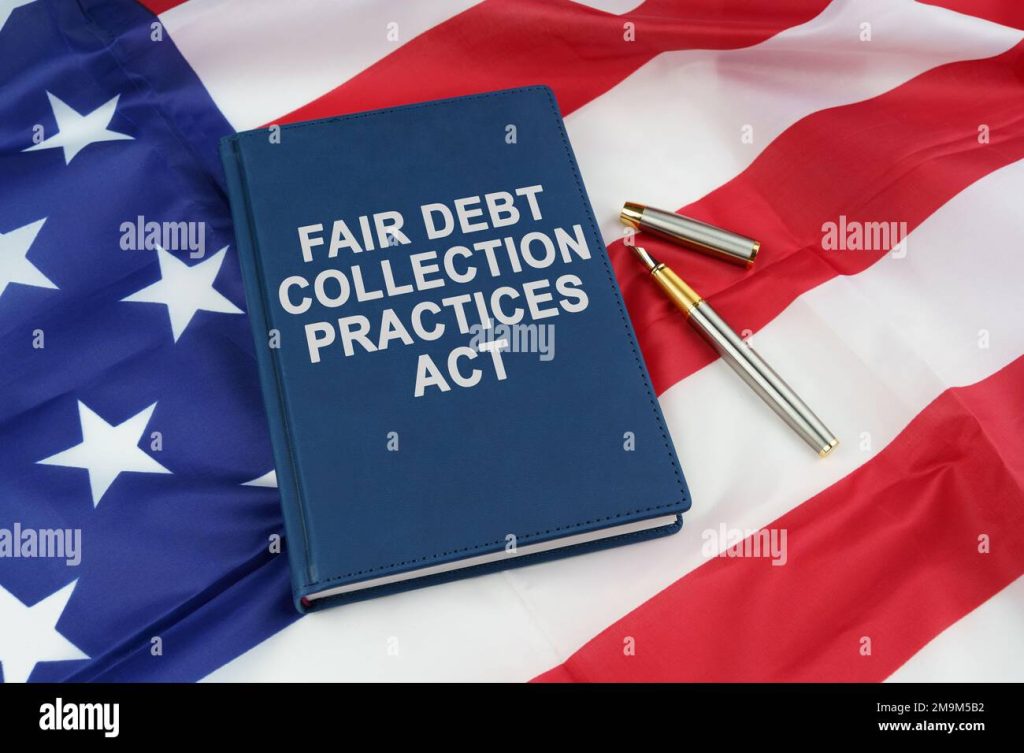
The Fair Debt Collection Practices Act (FDCPA)
The most important federal debt collection law is the Fair Debt Collection Practices Act (FDCPA).
The FDCPA prohibits debt collectors from using abusive, deceptive, or unfair collection practices. It primarily applies to third-party debt collectors collecting consumer debts.
The law was created to:
- Prevent harassment
- Protect consumer privacy
- Eliminate deceptive collection tactics
- Ensure fair debt collection practices
The FDCPA generally covers debts involving:
- Personal expenses
- Household expenses
- Family-related debts
Business debts are usually not covered under the FDCPA.
Regulation F and Modern Debt Collection Rules
The Regulation F implements and expands FDCPA rules.
Regulation F modernized debt collection law by addressing:
- Text messages
- Email communications
- Social media contact
- Electronic disclosures
- Validation notices
The rule also strengthened requirements regarding debt validation and communication practices.
Who Is Considered a Debt Collector?
Under federal law, debt collectors may include:
- Collection agencies
- Debt buyers
- Collection attorneys
- Companies collecting debts owed to another party
Original creditors are sometimes treated differently under federal law, although many states impose additional restrictions on original creditors as well.
Types of Debt Covered Under Collections Law
Collections law commonly applies to:
Credit Card Debt
Unpaid credit card balances are among the most common collection accounts.
Medical Debt
Hospitals, clinics, and healthcare providers frequently assign overdue balances to collection agencies.
Personal Loans
Defaulted unsecured loans often enter collections after missed payments.
Auto Loan Deficiencies
After vehicle repossession, lenders may pursue remaining balances.
Student Loans
Federal and private student loan collections involve specialized legal rules.
Utility and Service Debts
Unpaid utility bills and telecommunications balances may also enter collections.
Consumer Rights Under USA Collections Law
Consumers possess important legal protections against abusive collection practices.
Right to Debt Validation
Collectors must provide validation information about the debt, including:
- Amount owed
- Original creditor name
- Consumer dispute rights
Consumers may request debt verification after receiving collection notices.
Right to Dispute Debts
Consumers can dispute debts believed to be:
- Incorrect
- Fraudulent
- Already paid
- Time-barred
Right to Privacy
Collectors cannot improperly disclose debts to third parties.
Right to Stop Certain Communications
Consumers may request collectors stop contacting them through specific communication methods.
Prohibited Debt Collection Practices
The FDCPA prohibits numerous abusive practices.
Debt collectors generally cannot:
- Threaten violence
- Use obscene language
- Harass consumers repeatedly
- Misrepresent debt amounts
- Pretend to be attorneys falsely
- Threaten arrest unlawfully
- Call at unreasonable hours
Federal law prohibits abusive, unfair, or deceptive collection conduct.
Debt Collection Calls and Communication Rules
Collectors may contact consumers through:
- Phone calls
- Letters
- Emails
- Text messages
- Limited social media communications
However, strict communication limits apply.
Collectors generally cannot:
- Contact consumers before 8 a.m. or after 9 p.m.
- Continue contacting consumers at work after being instructed not to
- Harass consumers with excessive calls
Regulation F introduced modern communication rules involving digital platforms.
Debt Validation Notices
Collectors typically must provide validation notices shortly after initial contact.
Validation notices usually include:
- Debt amount
- Creditor information
- Consumer dispute instructions
- Validation request deadlines
Consumers who dispute debts timely may force collectors to pause collection efforts until verification occurs.
Time-Barred Debts and Statutes of Limitation
Every state limits how long creditors may sue over unpaid debts.
Once the statute of limitations expires:
- The debt may still exist
- Collection attempts may continue in some circumstances
- Lawsuits may become legally barred
Collectors generally cannot threaten lawsuits over time-barred debts.
Because limitation periods vary by state and debt type, legal review is important before making payments or settlement agreements.
Debt Collection Lawsuits
Collection agencies and creditors may file lawsuits seeking repayment.
If the collector wins, possible consequences include:
- Court judgments
- Wage garnishment
- Bank account levies
- Property liens
Ignoring collection lawsuits can result in default judgments.
Wage Garnishment Laws
Wage garnishment allows creditors to deduct money directly from paychecks after obtaining court judgments.
Federal and state laws limit garnishment amounts.
Certain income sources may receive legal protection, including:
- Social Security benefits
- Disability payments
- Veterans benefits
Bank Account Levies and Property Liens
Creditors with judgments may attempt to:
- Freeze bank accounts
- Seize non-exempt funds
- Place liens on property
State exemption laws protect some assets from collection efforts.
Credit Reporting and Collections Law
Debt collection heavily affects consumer credit reports.
Collection accounts may lower credit scores significantly.
The Fair Credit Reporting Act (FCRA) regulates how debts appear on credit reports.
Consumers may dispute inaccurate credit reporting with:
- Credit bureaus
- Collection agencies
- Original creditors
Medical Debt Collection Changes in 2026
Medical debt reporting and collection practices continue evolving.
Recent trends include:
- Increased protections for consumers
- Delayed credit reporting rules
- Expanded dispute rights
- Greater scrutiny of healthcare collections
Medical debt remains a major policy issue in the United States.
Student Loan Collections
Federal student loan collections involve unique rules.
Possible collection actions may include:
- Tax refund offsets
- Administrative wage garnishment
- Federal benefit offsets
Private student loans follow different collection procedures.
Bankruptcy and Debt Collection
Filing bankruptcy triggers an automatic stay that generally stops collection activity.
Bankruptcy may:
- Eliminate qualifying debts
- Stop lawsuits
- Prevent garnishments
- Halt collection calls
Violating bankruptcy stays can expose collectors to penalties.
Debt Settlement and Negotiation
Consumers sometimes negotiate settlements for less than the full balance owed.
Settlement agreements may involve:
- Lump-sum payments
- Structured repayment plans
- Interest reduction
Consumers should obtain settlement agreements in writing before payment.
Debt Collection Scams and Fraud
Debt collection scams remain common.
Warning signs may include:
- Threats of immediate arrest
- Requests for gift card payments
- Refusal to provide validation
- Aggressive intimidation tactics
Consumers should verify collector identities before providing information or payment.
Consumer Financial Protection Bureau (CFPB)
The Consumer Financial Protection Bureau oversees major aspects of debt collection enforcement.
The CFPB:
- Enforces FDCPA rules
- Investigates violations
- Issues regulations
- Accepts consumer complaints
The agency continues playing a major role in debt collection compliance.
State Debt Collection Laws
Many states provide stronger protections than federal law.
State laws may regulate:
- Licensing requirements
- Collection call frequency
- Interest limits
- Original creditor conduct
- Garnishment restrictions
Consumers should review both federal and state protections.
Debt Collection for Businesses
Commercial debt collection follows different legal rules.
Business debts are generally not protected by the FDCPA.
Commercial collections may involve:
- Contract litigation
- Commercial judgments
- UCC enforcement
- Business asset recovery
Collection Agency Compliance Requirements
Collection agencies must maintain compliance programs addressing:
- Communication practices
- Record retention
- Consumer disclosures
- Data privacy
- Call monitoring
Poor compliance may lead to lawsuits or regulatory penalties.
Technology and Digital Debt Collection
Modern collections increasingly involve:
- AI-powered communication systems
- Automated messaging
- Electronic payment portals
- Data analytics
Technology creates both efficiency benefits and compliance risks.
Debt Collection Defense Strategies
Consumers facing aggressive collection efforts may use multiple legal defenses.
Debt Validation Challenges
Collectors may lack sufficient documentation proving ownership or balance accuracy.
Statute of Limitations Defense
Expired legal deadlines may block lawsuits.
Identity Theft Defense
Fraudulent accounts may create invalid debts.
FDCPA Violation Claims
Consumers may sue collectors for unlawful conduct.
Bankruptcy Protection
Bankruptcy may eliminate or pause collection actions.
Penalties for Violating Debt Collection Laws
Collectors violating federal law may face:
- Consumer lawsuits
- Statutory damages
- Actual damages
- Attorney fee awards
- Regulatory penalties
Consumers may recover damages in certain FDCPA lawsuits.
Benefits of Hiring a Collections Lawyer
Legal representation can significantly improve outcomes.
Consumer Protection
Attorneys protect consumers from abusive practices.
Lawsuit Defense
Lawyers respond to collection lawsuits and negotiate settlements.
Credit Report Corrections
Attorneys may dispute inaccurate reporting.
Settlement Negotiation
Experienced counsel often negotiates better repayment terms.
Bankruptcy Guidance
Lawyers help evaluate bankruptcy alternatives.
Cost of Debt Collection Legal Services
Legal fees vary depending on case complexity.
Consumer Defense Cases
Attorney fees may range from:
- $500 to $5,000+
Collection Lawsuit Defense
Litigation costs may range from:
- $2,000 to $15,000+
Bankruptcy Cases
Consumer bankruptcy filings often cost:
- $1,500 to $5,000+
Some FDCPA attorneys handle valid consumer claims on contingency arrangements.
How to Choose the Best Debt Collection Lawyer
Choosing the right attorney is important.
Look for Consumer Protection Experience
Select lawyers experienced in FDCPA and consumer law litigation.
Review Litigation Background
Courtroom experience matters in collection defense.
Evaluate Communication
Strong attorneys explain legal options clearly.
Discuss Fees Upfront
Understand hourly billing, flat fees, and contingency structures.
Research Reputation
Client reviews and disciplinary records provide valuable insight.
Questions to Ask a Debt Collection Attorney
Before hiring counsel, ask:
Do you handle settlement negotiations?
Have you handled FDCPA cases?
Can you defend collection lawsuits?
What defenses may apply?
Can inaccurate debts be removed from my credit report?
What are your legal fees?

Frequently Asked Questions (FAQ)
What is the FDCPA?
The Fair Debt Collection Practices Act is the primary federal law regulating debt collection conduct in the United States.
Can debt collectors call me at work?
Collectors generally must stop workplace contact if you instruct them not to call there.
Can I request proof of a debt?
Yes. Consumers may dispute and request debt validation after collection contact.
Can collectors threaten arrest?
No. Threatening unlawful arrest over consumer debt is generally prohibited.
What happens if I ignore a debt collection lawsuit?
Ignoring lawsuits may result in default judgments, garnishments, and liens.
Can debt collectors text or email me?
Yes, but modern communication rules under Regulation F impose restrictions and compliance obligations.
How long can debts stay on credit reports?
Most negative collection accounts remain for approximately seven years under federal credit reporting rules.
Can old debts still be collected?
Possibly. However, statutes of limitation may prevent lawsuits on time-barred debts.
Does the FDCPA apply to business debts?
Generally no. The FDCPA mainly protects consumer debts.
Should I hire a debt collection lawyer?
Legal counsel is often beneficial when facing lawsuits, harassment, garnishment, or inaccurate collection reporting.
Conclusion
USA collections law in 2026 continues evolving as regulators, courts, and lawmakers respond to changing technology, digital communications, and consumer protection concerns. Federal laws such as the FDCPA, Regulation F, and FCRA establish important safeguards against abusive debt collection practices while preserving lawful creditor recovery rights.
Consumers facing collection activity should understand their legal rights regarding validation notices, communication restrictions, credit reporting, lawsuits, and debt disputes. Businesses and collection agencies must also maintain strong compliance systems to avoid costly legal violations and regulatory enforcement.
Because debt collection issues can significantly affect financial stability, credit standing, employment opportunities, and legal exposure, seeking qualified legal advice is often one of the most effective ways to protect long-term interests under American collections law.


