
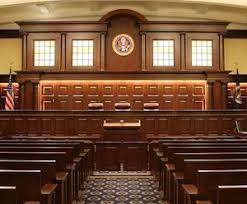
The American legal system allows parties to challenge certain court decisions through the appellate process. Appeals and appellate law play a critical role in ensuring fairness, correcting legal errors, protecting constitutional rights, and maintaining consistency throughout the judicial system.
Whether involving criminal convictions, civil judgments, family law disputes, business litigation, or constitutional issues, appellate courts review lower court decisions to determine whether legal mistakes affected the outcome of a case.
Appeals are highly specialized legal proceedings requiring extensive procedural knowledge, legal research, written advocacy, and oral argument skills. Unlike trial courts, appellate courts generally focus on legal issues rather than hearing new evidence or witness testimony.
Understanding USA appeals and appellate law is essential for individuals, businesses, attorneys, and organizations seeking to challenge unfavorable judgments or defend successful outcomes on appeal.
This comprehensive guide explains how the appellate process works in the United States, including appeal procedures, appellate courts, deadlines, legal standards, costs, benefits, and how to choose the right appellate attorney.
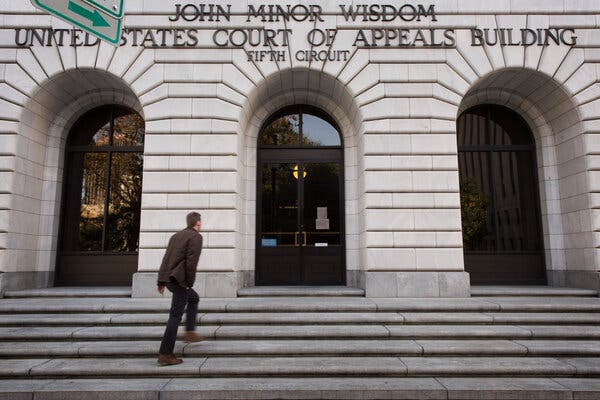
What Is USA Appeals and Appellate Law?
USA appeals and appellate law refers to the legal system governing review of lower court decisions by higher courts.
Appellate law involves:
- Reviewing legal errors
- Interpreting statutes
- Analyzing constitutional issues
- Clarifying procedural rules
- Ensuring consistent legal application
Appeals courts generally do not retry cases or reconsider factual evidence presented during trial. Instead, appellate judges evaluate whether the law was applied correctly.
Appellate law applies to:
- Criminal cases
- Civil lawsuits
- Administrative rulings
- Family law matters
- Business disputes
- Constitutional litigation
Purpose of the Appellate System
The appellate system serves several important functions.
Correcting Legal Errors
Appeals courts review mistakes involving:
- Improper jury instructions
- Constitutional violations
- Incorrect legal rulings
- Procedural errors
Promoting Consistency
Appellate courts create legal precedents guiding future cases.
Protecting Constitutional Rights
Appeals help ensure lower courts respect constitutional protections.
Maintaining Public Confidence
Judicial review strengthens fairness and accountability within the legal system.
Difference Between Trial Courts and Appellate Courts
Understanding the distinction between trial and appellate courts is essential.
Trial Courts
Trial courts:
- Hear evidence
- Evaluate witnesses
- Conduct jury trials
- Determine facts
Appellate Courts
Appellate courts:
- Review legal arguments
- Analyze court records
- Interpret law
- Issue written opinions
Appellate judges rarely hear live testimony.
State and Federal Appellate Courts
The United States maintains both state and federal appellate systems.
State Appeals Courts
State appellate courts review state trial court decisions.
Most states have:
- Intermediate appellate courts
- State supreme courts
Federal Appeals Courts
Federal appellate courts review federal trial court decisions.
The federal system includes:
- U.S. District Courts
- U.S. Courts of Appeals
- United States Supreme Court
United States Courts of Appeals
Federal appellate courts are divided into regional circuits.
The U.S. Courts of Appeals review:
- Federal civil cases
- Federal criminal convictions
- Administrative agency rulings
Circuit court decisions often shape nationwide legal interpretation.
The United States Supreme Court
The Supreme Court is the highest court in the United States.
The Court reviews major issues involving:
- Constitutional interpretation
- Federal law conflicts
- National legal importance
The Supreme Court accepts only a small percentage of requested appeals.
Types of Appeals
Several types of appeals exist within the American legal system.
Criminal Appeals
Defendants may challenge convictions or sentences.
Civil Appeals
Parties may appeal judgments involving contracts, injuries, property disputes, and other civil matters.
Administrative Appeals
Agencies decisions may undergo judicial review.
Family Law Appeals
Appeals may involve divorce, custody, or support rulings.
Constitutional Appeals
Cases involving constitutional rights frequently reach appellate courts.
Grounds for Appeal
Not every unfavorable ruling qualifies for appeal.
Valid appellate grounds may include:
- Legal errors
- Constitutional violations
- Improper evidence rulings
- Jury instruction mistakes
- Judicial misconduct
- Insufficient evidence under legal standards
Appellate courts generally do not reconsider ordinary factual disagreements.
The Notice of Appeal
Appeals usually begin with filing a notice of appeal.
This document informs the court and opposing parties that appellate review is requested.
Strict filing deadlines apply.
Missing appellate deadlines may permanently eliminate appeal rights.
Appellate Deadlines and Time Limits
Appeals involve extremely strict procedural deadlines.
Deadlines vary depending on:
- Jurisdiction
- Case type
- Federal or state law
Some appeals deadlines may be as short as:
- 10 days
- 30 days
- 60 days
Late filings often result in dismissal.
The Appellate Record
Appeals rely heavily on the trial court record.
The record may include:
- Trial transcripts
- Exhibits
- Motions
- Judicial rulings
- Jury instructions
Appellate courts generally cannot consider new evidence outside the record.
Appellate Briefs
Written briefs are among the most important parts of appellate practice.
Briefs contain:
- Legal arguments
- Case law analysis
- Statutory interpretation
- Constitutional analysis
Strong legal writing is critical in appellate litigation.
Oral Arguments in Appeals
Some appellate cases involve oral arguments before judges.
Attorneys answer judicial questions regarding:
- Legal standards
- Case precedents
- Procedural issues
Oral argument outcomes often depend on preparation and legal precision.
Standards of Review
Appellate courts apply different standards of review depending on the issue.
De Novo Review
Used for many legal questions.
The appellate court reviews issues independently.
Abuse of Discretion
Courts defer significantly to trial judge decisions.
Clearly Erroneous Standard
Used for certain factual findings.
The applicable standard often determines appeal difficulty.
Harmless Error Doctrine
Not every legal mistake justifies reversal.
Appellate courts evaluate whether the error materially affected the outcome.
Minor harmless errors may not change judgments.
Criminal Appeals in the USA
Criminal appeals are extremely common.
Defendants may challenge:
- Convictions
- Sentences
- Constitutional violations
- Prosecutorial misconduct
- Ineffective assistance of counsel
Criminal appeals often involve liberty interests and constitutional protections.
Post-Conviction Relief
Beyond direct appeals, convicted individuals may seek post-conviction relief.
Common claims involve:
- Newly discovered evidence
- DNA evidence
- Constitutional violations
- Ineffective counsel
Federal habeas corpus proceedings are another important post-conviction remedy.
Civil Appeals Process
Civil appeals involve disputes between private parties or organizations.
Appealable issues may include:
- Contract interpretation
- Business disputes
- Personal injury verdicts
- Employment rulings
- Property disputes
Civil appeals often involve substantial financial consequences.
Interlocutory Appeals
Most appeals occur after final judgments.
However, some important rulings may qualify for interlocutory appeal before trial concludes.
Examples include:
- Injunction rulings
- Immunity decisions
- Jurisdictional issues
Interlocutory appeals are more limited.
Appellate Court Decisions
Appellate courts may issue several types of rulings.
Affirm
The lower court decision stands.
Reverse
The appellate court overturns the decision.
Remand
The case returns to the lower court for additional proceedings.
Modify
The appellate court changes part of the ruling.
Published vs Unpublished Opinions
Some appellate decisions become published precedents.
Published opinions influence future legal cases.
Unpublished opinions may carry limited precedential value depending on jurisdiction.
Constitutional Issues in Appeals
Appellate courts frequently address constitutional matters involving:
- Free speech
- Due process
- Equal protection
- Search and seizure
- Religious freedom
Constitutional appeals often shape nationwide legal policy.
Appeals in Administrative Law
Administrative agencies often face appellate review.
Common agencies include:
- Social Security Administration
- Immigration agencies
- Labor boards
- Environmental agencies
Courts evaluate whether agencies followed lawful procedures and statutory authority.
Federal Habeas Corpus Proceedings
Federal habeas corpus allows certain prisoners to challenge unlawful detention.
These cases often involve:
- Constitutional rights
- Criminal procedure violations
- Ineffective counsel claims
Habeas litigation is highly technical and procedurally complex.
Appellate Mediation and Settlement
Some appeals resolve through settlement or mediation.
Settlement may reduce:
- Litigation costs
- Delay
- Uncertainty
Appellate mediation programs exist in many jurisdictions.
Benefits of Hiring an Appellate Lawyer
Appeals require highly specialized legal skills.
Advanced Legal Research
Appellate lawyers analyze statutes, precedents, and constitutional law.
Strong Written Advocacy
Persuasive briefs are essential.
Procedural Expertise
Appellate rules are highly technical.
Oral Argument Skills
Experienced advocates respond effectively to judicial questioning.
Strategic Analysis
Lawyers evaluate reversal likelihood and legal risk.
Cost of Appeals and Appellate Litigation
Appeals can be expensive.
Simple Appeals
Costs may range from:
- $5,000 to $15,000+
Complex Appeals
Major appeals may exceed:
- $25,000 to $100,000+
Costs may include:
- Attorney fees
- Transcript preparation
- Filing fees
- Expert consultation
Supreme Court litigation can become extremely costly.
How to Choose the Best Appellate Attorney
Selecting experienced counsel is critical.
Look for Appellate Specialization
Appeals require different skills than trial litigation.
Review Appellate Experience
Successful appellate history is important.
Evaluate Writing Ability
Brief quality significantly affects outcomes.
Assess Oral Advocacy Skills
Courtroom presentation matters during oral arguments.
Discuss Fee Structures
Clarify hourly billing and projected costs.
Questions to Ask an Appeals Lawyer
Before hiring counsel, ask:
- How many appeals have you handled?
- What are the strongest legal issues in my case?
- What standard of review applies?
- What are my chances of reversal?
- What deadlines apply?
- What are your fees?
Common Mistakes in Appeals
Appellate errors can seriously damage cases.
Common mistakes include:
- Missing filing deadlines
- Raising weak legal arguments
- Failing to preserve objections during trial
- Inadequate briefing
- Ignoring procedural rules
Appellate procedure requires extreme precision.
Technology and Modern Appellate Practice
Technology increasingly affects appellate litigation.
Modern appeals may involve:
- Electronic filing systems
- Virtual oral arguments
- Digital transcripts
- AI-assisted legal research
Federal and state courts continue modernizing appellate procedures.
Frequently Asked Questions (FAQ)
What is appellate law?
Appellate law governs review of lower court decisions by higher courts.
Can every case be appealed?
No. Appeals generally require legal grounds and compliance with procedural rules.
What does an appellate court do?
Appellate courts review legal issues and determine whether errors affected case outcomes.
Do appeals involve new evidence?
Usually no. Appeals rely primarily on the existing trial court record.
How long does an appeal take?
Appeals may last several months to several years depending on complexity.
What is a notice of appeal?
It is the formal document initiating appellate review.
Can appellate decisions be challenged?
Sometimes. Parties may seek rehearing or higher court review.
What is the standard of review?
The standard of review determines how much deference appellate courts give lower court rulings.
Are criminal convictions reversible on appeal?
Some convictions are reversed due to constitutional or legal errors.
Should I hire an appellate lawyer?
Yes. Appellate litigation is highly specialized and procedurally complex.
Conclusion
USA appeals and appellate law serves as a critical safeguard within the American judicial system by correcting legal errors, protecting constitutional rights, and promoting consistency in legal interpretation. Appellate courts shape the development of criminal law, civil litigation, constitutional protections, administrative law, and public policy throughout the United States.
Because appeals involve strict procedural rules, complex legal analysis, and advanced advocacy skills, parties seeking appellate review should carefully evaluate deadlines, legal grounds, and strategic considerations. Appellate outcomes can dramatically affect liberty, finances, constitutional rights, business operations, and legal precedent.
As the legal system continues evolving through technology, constitutional litigation, and judicial interpretation, appellate law will remain one of the most influential and intellectually demanding areas of American legal practice.


